
Protecting Tiny Teeth: Everything About Children's Fluoride Treatment
Why Your Child's Smile Deserves the Best Protection
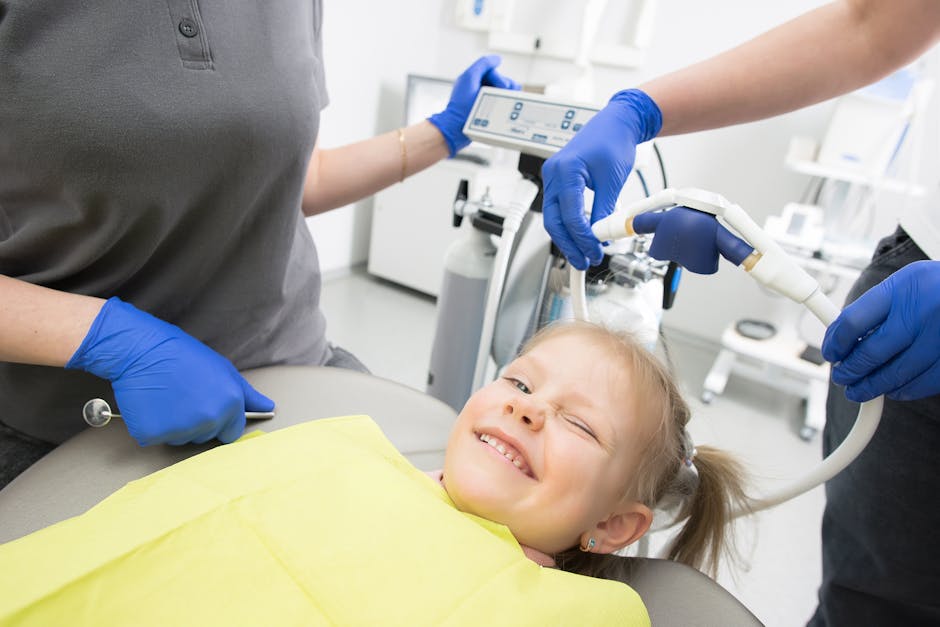
Children's fluoride treatment is a safe, effective way to strengthen tooth enamel and prevent decay. Here's what parents need to know:
- What it is: A mineral-based treatment applied as a varnish, gel, foam, or in toothpaste.
- When to start: From the time the first tooth appears (around 6 months).
- How often: Professional applications 2-4 times per year; daily use of fluoride toothpaste.
- Key benefit: Reduces cavities by about 25% and can reverse early decay.
- Safety: Safe when used properly, with supervision to prevent swallowing excess fluoride.
Dental caries is the most common chronic disease in U.S. children. About 23% of kids aged 2-5 have cavities, with higher rates in some communities. The good news is that tooth decay is largely preventable. Baby teeth are vital for speech, chewing, and guiding permanent teeth. Cavities in these teeth can cause pain, infection, and learning difficulties.
Fluoride acts as a superhero for tiny teeth, and community water fluoridation is a major public health success. Professional treatments offer extra protection. As Kayle Vernon, founder of Vernon Enterprises with over a decade of marketing experience in the healthcare sector, I've worked with dental practices to help families understand the importance of preventive care like children's fluoride treatment. This guide will help you make informed decisions for your child's oral health.
What is Fluoride and Why is it a Superhero for Teeth?
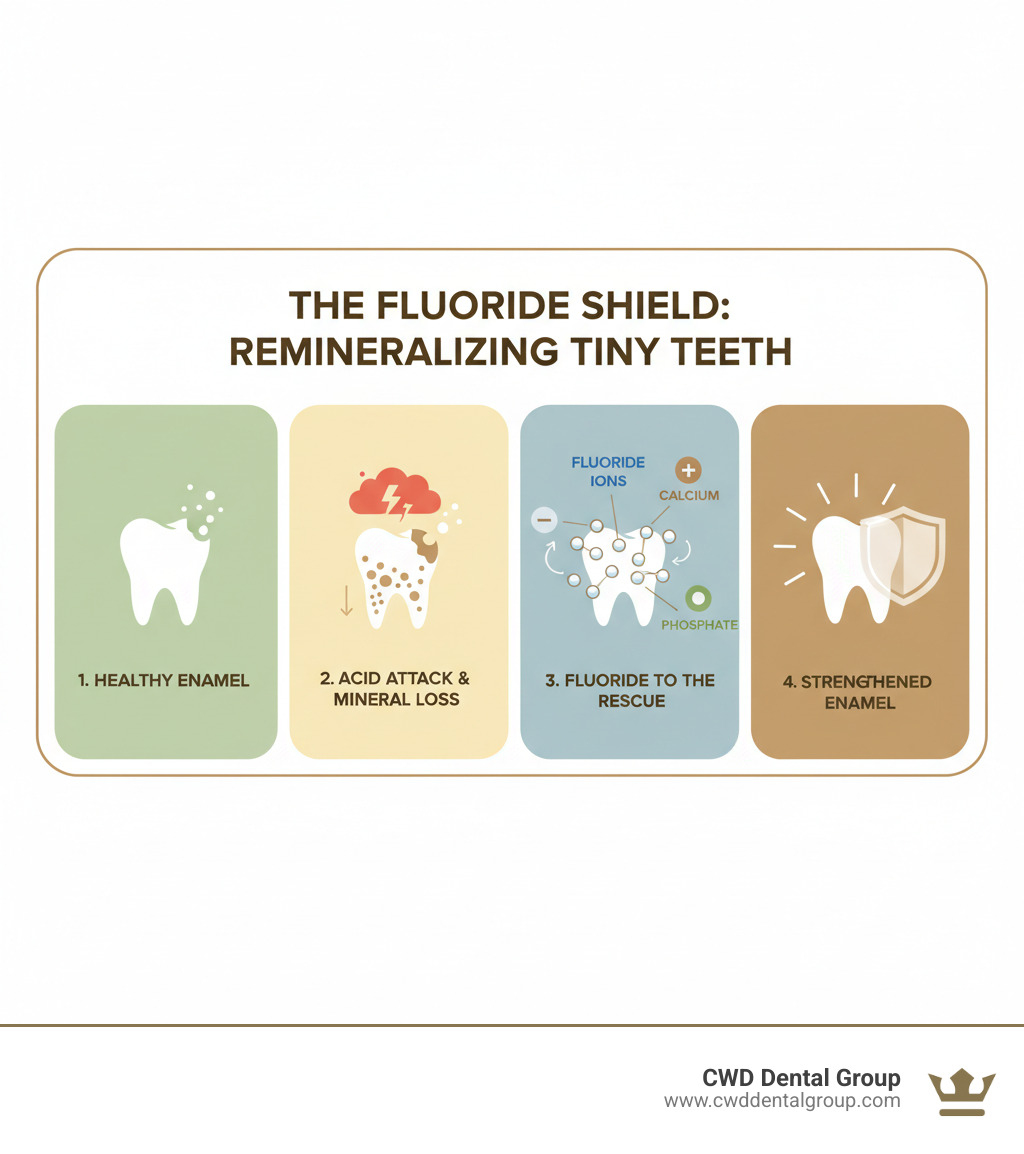
Think of your child's teeth as being in a constant tug-of-war. When they eat, bacteria produce acids that strip minerals from tooth enamel in a process called demineralization. This is how cavities start.
Enter fluoride: nature's dental defender.
Fluoride is a naturally occurring mineral that acts like an invisible shield. It strengthens enamel and makes it more resistant to acid. Fluoride can reduce cavities by approximately 25%.
More impressively, fluoride helps repair teeth through remineralization. It attracts calcium and phosphate back to weakened enamel, rebuilding the tooth's defenses and even reversing the earliest signs of decay. When fluoride is present, it incorporates into the tooth structure, creating a stronger, more acid-resistant surface called fluorapatite.
Fluoride works in two ways:
- Systemic fluoride (from fluoridated water or supplements) strengthens developing teeth from the inside out.
- Topical fluoride (from toothpaste and professional treatments) protects teeth that have already erupted.
This one-two punch makes children's fluoride treatment a powerful tool for preventing tooth decay. For more details, the CDC offers a guide on What is Fluoride and How Does It Get into Tap Water?.
The Science Behind a Stronger Smile
Every day, teeth go through a natural cycle of losing and gaining minerals. When your child eats, bacteria in plaque produce acids that pull minerals from the enamel (demineralization). If this happens too often, weak spots form and become cavities.
Fluoride changes the game by incorporating into the tooth structure, creating a stronger, more acid-resistant surface. It also acts like a magnet, drawing calcium and phosphate back to damaged areas to remineralize and reverse early decay.
Both systemic fluoride (ingested through water or supplements) and topical fluoride (from toothpaste and professional treatments) work together to provide comprehensive protection against decay.
The Alarming Facts About Childhood Cavities
Dental caries is the most common chronic disease affecting children today—more prevalent than asthma. National data shows that nearly one in four preschoolers (23%) has cavities in their baby teeth. These aren't just statistics; they represent children dealing with pain that can affect their ability to eat, speak, and learn.
Baby teeth are crucial for holding space for permanent teeth and for proper development. Losing them early due to decay can cause long-term dental problems. Fortunately, tooth decay is highly preventable with the right care, including children's fluoride treatment. If your child already has decay, learn about your options on our Cavity Treatment for Kids page.
A Guide to Children's Fluoride Treatment Options
Fluoride protection comes in several forms, from professional treatments to daily home care. Your dentist will help you create a custom plan based on your child's age, cavity risk, and local water supply.
Professional Children's Fluoride Treatment: Varnish, Gels, and Foams
Professional applications at our offices in Tallahassee, Havana, Quincy, Crawfordville, or Wakulla deliver a powerful boost of protection.
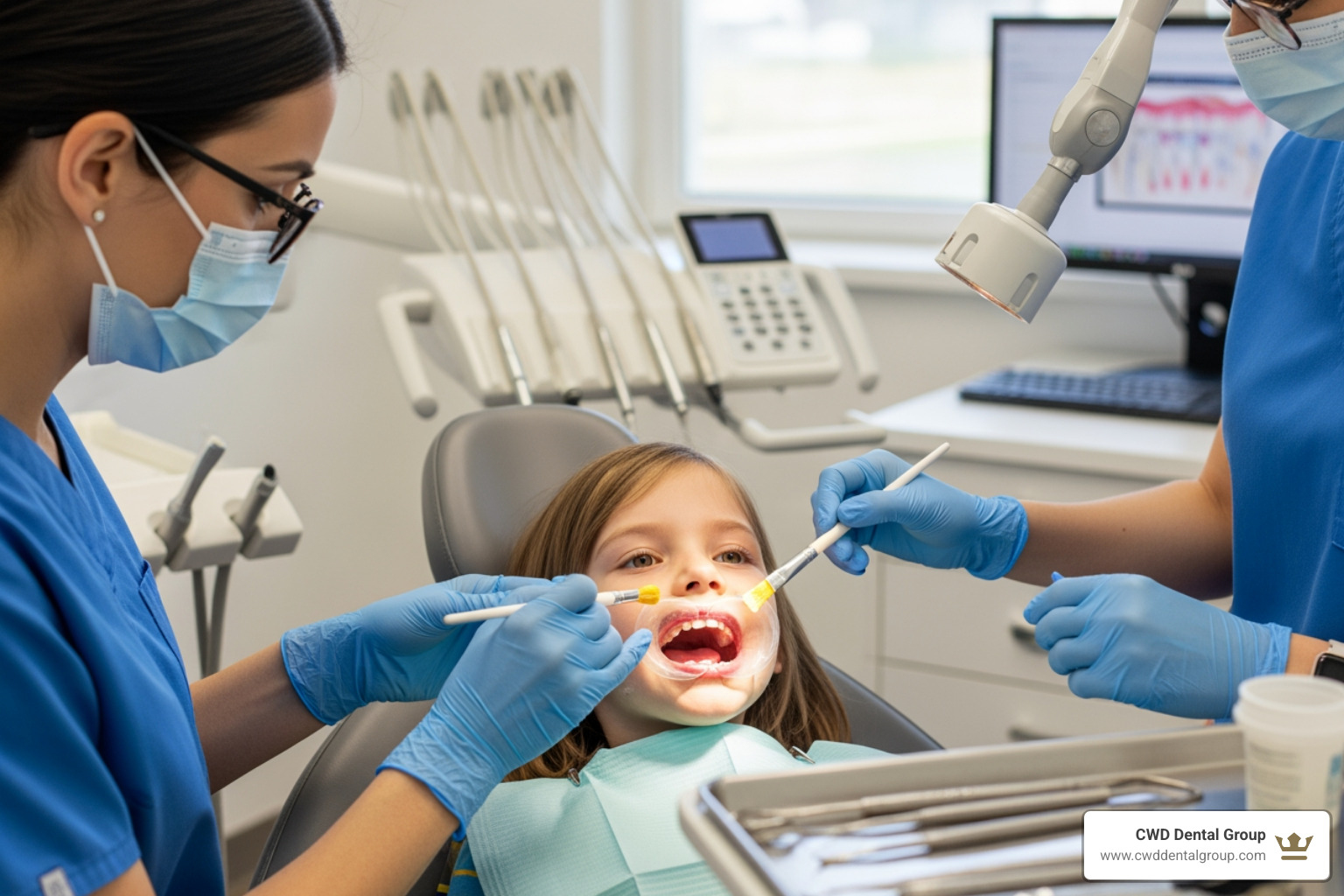
Fluoride varnish is the gold standard for young children. It's a sticky coating painted onto the teeth that hardens instantly, minimizing any chance of being swallowed. It can be used from the first tooth and is typically applied 2-4 times a year. The process is quick and painless.
Fluoride gels and foams are also effective. They are placed in a tray that fits over the teeth for a few minutes. We often prefer varnish for younger children to reduce the risk of swallowing.
Silver Diamine Fluoride (SDF) is a liquid medication used to stop existing cavities from progressing. It's a valuable tool for arresting decay, especially for children who may have difficulty accessing regular dental care.
At-Home Fluoride Care: Toothpaste and Supplements
Consistent at-home care is the foundation of your child's dental health. The key is using the right amount of fluoride toothpaste.
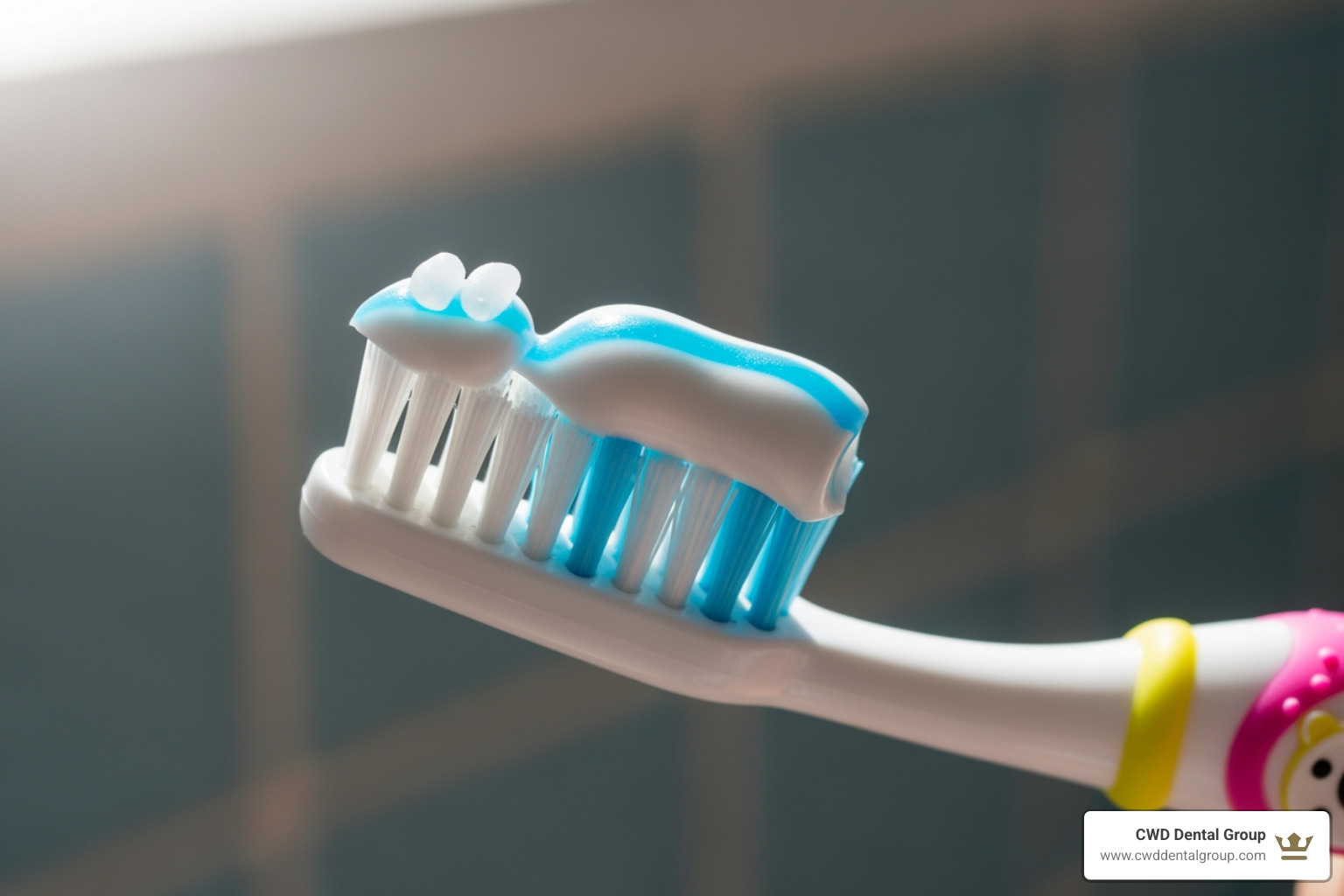
- Under 3 years: Use a smear of toothpaste the size of a grain of rice.
- Ages 3 to 6: Use a pea-sized amount.
Supervise brushing to ensure your child spits out the toothpaste instead of swallowing it.
If your family uses well water or lives in an area without fluoridated water, your pediatrician or dentist may prescribe fluoride supplements (drops or tablets). The U.S. Preventive Services Task Force recommends this starting at six months for children with a non-fluoridated water supply. For more tips, see our guide on Dental Teeth Cleaning Tools.
After a Professional Children's Fluoride Treatment: What to Expect
After a fluoride varnish application, follow these simple steps to maximize its effectiveness:
- Wait to brush: Do not brush or floss for at least 4-6 hours. It's often easiest to just wait until the next morning.
- Eat soft foods: Stick to soft foods (yogurt, soup, mashed potatoes) and lukewarm drinks for the rest of the day.
- Don't worry about color: Teeth may look slightly yellow or dull. This is normal and temporary; it will brush off the next day.
- Spit thoroughly: Encourage older children to spit well after rinsing to minimize swallowing any residual fluoride.
When and How Often Should Children Get Fluoride Treatments?
Timing is everything when it comes to fluoride. Protection should begin the moment your child's first tooth appears. Health organizations like the American Academy of Pediatrics (AAP) and the U.S. Preventive Services Task Force (USPSTF) provide clear recommendations for maximum cavity prevention.
At CWD Dental Group, we create a personalized children's fluoride treatment plan based on your child's age, cavity risk, and water source. Regular check-ups allow us to adjust this plan as they grow. Learn more about what happens during these visits on our Teeth Cleaning page.
Recommendations for Infants and Toddlers (Birth to 3 Years)
These early years are critical for establishing a foundation for oral health.
- First Dental Visit: Schedule a visit after the first tooth appears, or no later than the first birthday.
- Fluoride Varnish: The USPSTF recommends professional varnish application starting from the eruption of the first tooth.
- At-Home Care: Brush twice daily with a rice-grain-sized smear of fluoride toothpaste.
- Supplements: If your water is not fluoridated, we may prescribe oral fluoride supplements starting at 6 months.
Recommendations for Preschoolers and Older Children (3+ Years)
As your child grows, their fluoride needs continue.
- Toothpaste Amount: Increase to a pea-sized amount of fluoride toothpaste twice a day. Supervise to ensure they spit it out.
- Professional Applications: Continue with fluoride varnish treatments 2 to 4 times per year, based on cavity risk.
- Dental Sealants: We may recommend sealants as a complementary treatment. These thin coatings protect the chewing surfaces of molars where cavities often start.
- Ongoing Evaluation: At every visit, we assess your child's diet, hygiene, and cavity history to fine-tune their prevention strategy.
Is Fluoride Safe for Kids? Understanding Dental Fluorosis and Other Concerns
It's natural for parents to have questions about safety. Rest assured, when used correctly, fluoride is a safe and highly effective tool for preventing cavities, a fact affirmed by the American Academy of Pediatric Dentistry (AAPD).
The main concern is what happens if a child swallows too much fluoride. Fluoride toxicity from dental products is extremely rare. The recommended amounts for oral health are perfectly safe. This is why we stress using only a rice-grain or pea-sized amount of toothpaste and why supplements are prescribed, not sold over the counter. Swallowing small amounts of toothpaste is common in young children, which is why the recommended "smear" for toddlers is so small—it's safe even if ingested. We are always here to discuss any concerns you have based on scientific evidence from the CDC, AAP, and USPSTF.
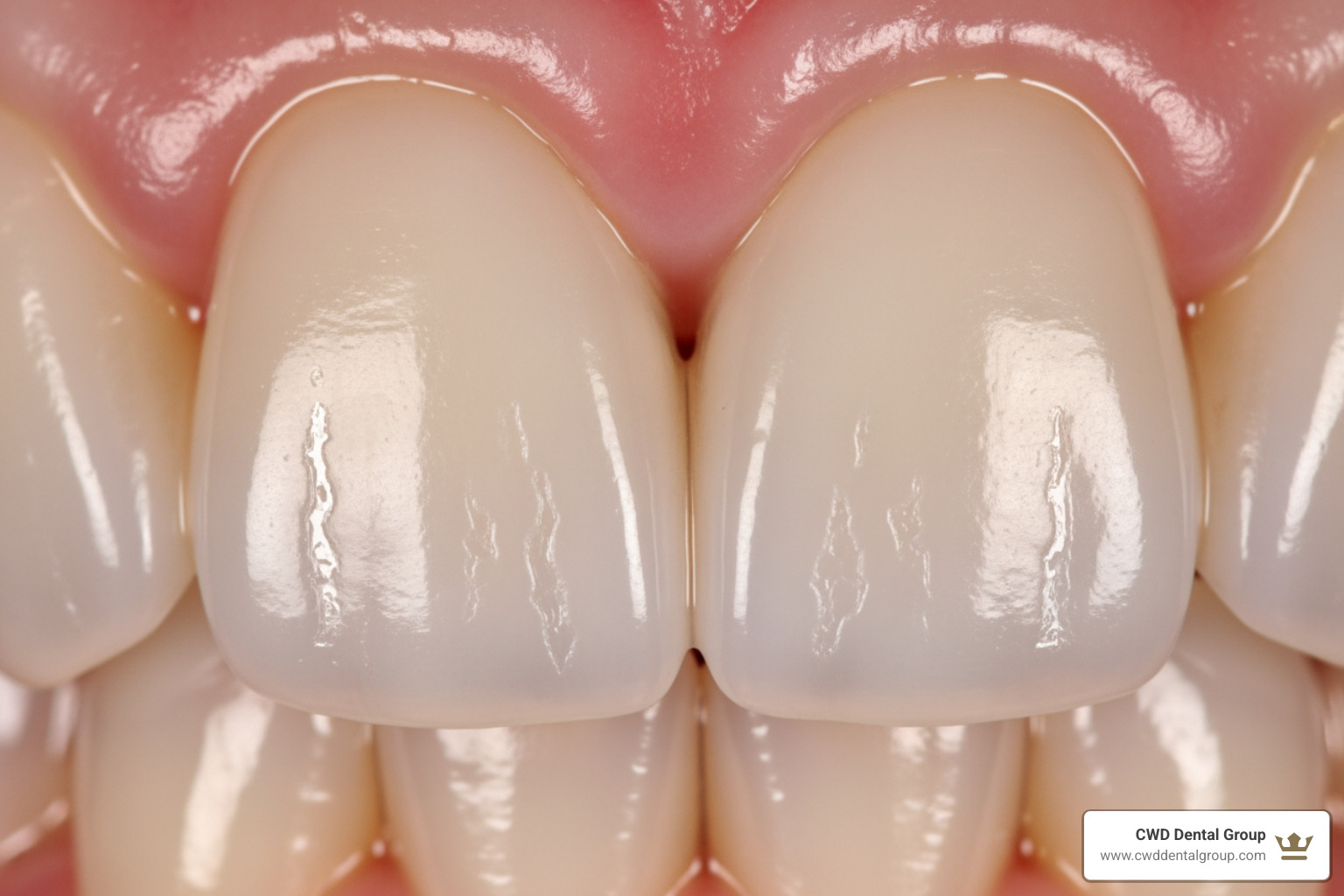
What is Dental Fluorosis?
Dental fluorosis is a cosmetic condition that can result from ingesting too much fluoride while permanent teeth are developing (up to age 8). It is not a disease and does not affect tooth health or function.
In its most common, mild form, fluorosis appears as faint, lacy white marks on the enamel, often only visible to a dentist. It's caused by consistently swallowing too much toothpaste or taking unneeded supplements. Severe cases are rare.
Prevention is simple: use the correct amount of toothpaste for your child's age, supervise brushing, and only use supplements if prescribed. The CDC offers more information on fluorosis. The benefit of preventing painful cavities far outweighs the minimal risk of mild fluorosis.
Living in an Area Without Fluoridated Water
If your home in Tallahassee, Havana, Quincy, Crawfordville, or Wakulla has non-fluoridated tap water or well water, we have simple solutions.
First, find out your water's fluoride level by contacting your local water supplier or using the CDC's "My Water's Fluoride" tool. If the level is low, we can discuss fluoride supplements (drops or tablets) for children over 6 months.
If you use bottled water, check the label for fluoride content, as most do not contain it. For infants on formula, you can discuss using fluoride-free water for mixing with your dentist or pediatrician if you have concerns. For more parent FAQs, consult resources like the AAP's guide to fluoride.
Frequently Asked Questions about Children's Fluoride Treatment
Here are answers to some of the most common questions we receive about children's fluoride treatment from families across Tallahassee, Havana, Quincy, Crawfordville, and Wakulla.
How much does a children's fluoride treatment cost?
Fluoride treatment is one of the most affordable preventive dental services. Most dental insurance plans cover it as preventive care for children. Even without insurance, the out-of-pocket cost is modest. Most importantly, treating a cavity costs significantly more than preventing one. Investing in regular fluoride treatments is a smart decision for your child's health and your budget.
Can fluoride treatment reverse existing cavities?
Fluoride is a powerhouse in the very early stages of decay. Through a process called remineralization, it can repair and strengthen weakened enamel before a hole forms. However, once an actual cavity (a hole) has developed, fluoride alone cannot reverse it. At that point, a filling or other restoration is needed. A special treatment called Silver Diamine Fluoride (SDF) can stop the progression of an existing cavity, buying time until a permanent restoration can be done. Regular check-ups allow us to catch decay when fluoride can still work its magic. Learn more on our Cavity Treatment for Kids page.
Is fluoride varnish better than gels or foams for young children?
For children under six, we almost always recommend fluoride varnish. The reasons are simple:
- Quick and Easy Application: The varnish is painted on in under a minute, with no uncomfortable trays.
- Exceptional Safety: It hardens on contact with saliva, so very little is swallowed. The AAPD recommends varnish as the preferred agent for children under six for this reason.
- Outstanding Effectiveness: The varnish stays on the teeth for hours, allowing for excellent fluoride absorption.
For the comfort and safety of our youngest patients, fluoride varnish is our top choice for professional children's fluoride treatment.
Protect Your Child's Smile in Tallahassee
At CWD Dental Group, we are passionate about helping every child in our community build a healthy smile for life. We are proud to be the "dental home" for families throughout Tallahassee, Havana, Quincy, Crawfordville, and Wakulla, Florida.
Our patient-centered approach means creating a personalized preventive plan for your child. We combine effective professional services, like children's fluoride treatment, with practical at-home advice. Whether your child needs fluoride varnish, guidance on brushing, or supplements for non-fluoridated water, we ensure they get exactly what they need.
Prevention is always better than treatment. Regular check-ups allow us to protect your child's teeth with fluoride and sealants, preventing problems before they start. This partnership between our professional care and your at-home routine gives your child the best defense against cavities.
Don't wait for a problem to arise. Let's work together to build a strong foundation for a lifetime of healthy smiles. Schedule a visit with a Pediatric Dentist at CWD Dental Group today. We look forward to welcoming your family!