
Why Dental Care for Infants Matters More Than You Think

Dental care for infants is essential from day one. Here's what you need to know:
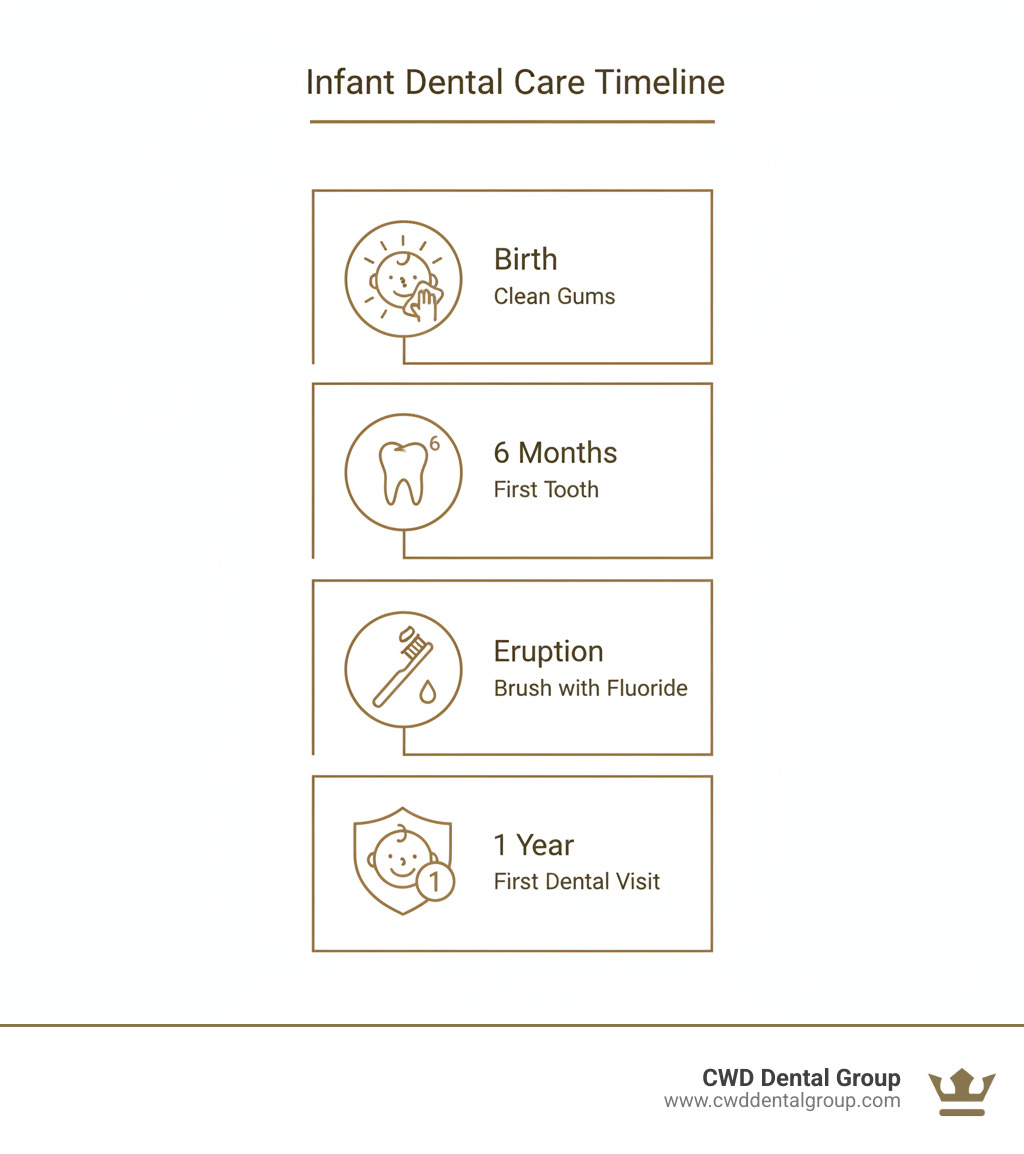
- Start cleaning gums at birth with a soft, clean cloth after feedings
- Begin brushing as soon as the first tooth erupts (around 6 months)
- Use fluoride toothpaste in a rice-grain sized amount for children under 3
- Schedule the first dental visit by your baby's first birthday or within 6 months of the first tooth
- Avoid putting babies to bed with bottles containing anything other than water
- Never share utensils or clean pacifiers with your mouth to prevent bacteria transmission
Cavities are the most common chronic childhood disease in the U.S., but the good news is they are preventable. More than half of children aged 6 to 8 have had decay in at least one baby tooth.
Baby teeth are crucial. They help your child eat and speak, hold space for adult teeth, and shape their face. Untreated decay in baby teeth can cause pain, sleep disruption, learning and eating difficulties, and even serious infections that impact overall health.
What you do today shapes your child's smile tomorrow. Starting good oral habits early is critical. The bacteria that cause cavities can pass from parent to child, meaning your oral health affects your baby's.
I'm Kayle Vernon, a marketing professional who has spent a decade working with healthcare providers to share essential health information. My work with CWD Dental Group focuses on translating complex dental guidance into practical steps for busy parents.
Starting Early: Oral Care from Birth
Many new parents are surprised to learn that dental care for infants begins at birth, before the first tooth appears. A simple daily routine of cleaning your baby's gums after feedings can prevent bacteria buildup and promote a lifetime of good oral health.
Best Practices for Dental Care for Infants Before Teeth Erupt
Even without teeth, gums need gentle cleaning twice a day: after the first morning feeding and before bedtime. The process is simple. Wrap a clean, moist gauze pad or washcloth around your index finger and gently wipe and massage their gum tissues in small circles. This quick routine is often soothing for babies, especially during teething, and helps them get used to having their mouth cleaned.
For detailed guidance with helpful illustrations, the National Institute of Dental and Craniofacial Research offers an excellent resource: A Healthy Mouth for Your Baby.
Preventing Bacteria Transmission
Cavity-causing bacteria are transmissible through saliva. Parents can unknowingly pass these bacteria to their baby, which is why your own oral health directly impacts your baby's future dental health. Keeping your teeth and gums healthy reduces the amount of harmful bacteria you might share.
To protect your baby, adopt a few key habits. Avoid sharing utensils—use a separate spoon to taste your baby's food. Never clean a pacifier or bottle nipple with your mouth; rinse it with clean water instead. When giving kisses, aim for the cheeks and forehead rather than directly on the mouth.
These small adjustments make a real difference in protecting your infant's developing smile.
Teething and the First Tooth: What to Expect
The arrival of your baby's first tooth is an exciting milestone, but it's often preceded by the teething phase. Knowing what to expect can help you support your little one through this sometimes challenging period.
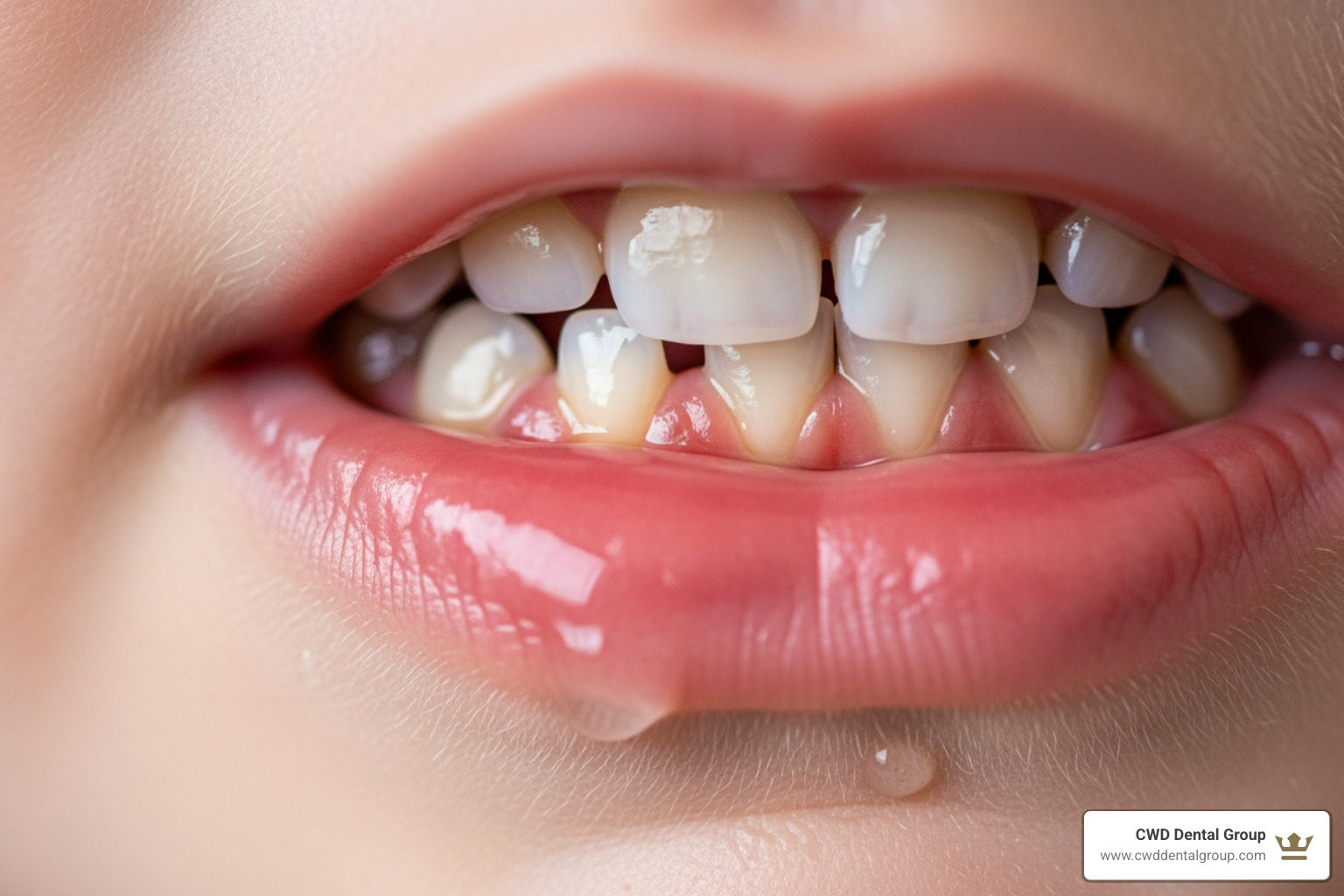
Most babies start teething between four and six months, with the first tooth typically appearing around six to eight months. However, every baby's timeline is different. The full set of 20 baby teeth usually arrives by age three.
Common teething signs include excessive drooling, irritability, swollen, tender gums, trouble sleeping, and chewing on everything. A slight temperature increase can occur, but high fevers, diarrhea, and rashes are not normal teething symptoms. If your baby experiences these, call your pediatrician.
Managing Teething Discomfort Safely
To ease your baby's discomfort safely, try these methods:
- Chilled teething rings: Use solid rings (not liquid-filled) chilled in the refrigerator, not the freezer.
- A cold wet washcloth: Let your baby chew on a clean, chilled washcloth.
- Gentle gum massage: Use a clean finger to apply light pressure to sore spots.
- Infant pain relievers: Ask your pediatrician about using infant acetaminophen or ibuprofen, and always follow dosage instructions.
What to avoid:
- Teething necklaces and bracelets: These pose serious choking and strangulation risks.
- Benzocaine gels: The FDA warns against these numbing products for children under two due to serious health risks.
- Teething biscuits: They introduce sugar and can be a choking hazard.
Brushing Your Baby's First Teeth
Once the first tooth appears, it's time to start brushing, evolving your dental care for infants routine. Use a soft-bristled baby toothbrush with a small head.
Brush twice a day, especially before bedtime when saliva flow decreases. Use gentle circular motions on all tooth surfaces, and gently brush the tongue and gums. Consistency is key, even if your baby resists at first.
As your child grows, they'll need regular professional cleanings. At CWD Dental Group, we provide comprehensive teeth cleaning services for all ages. More info about our teeth cleaning services.
The Role of Fluoride and Diet in Infant Dental Care
Fluoride and smart feeding choices are two powerful tools in your dental care for infants toolkit. Understanding how they work together is key to protecting your baby's teeth.
Fluoride Facts: Toothpaste and Water
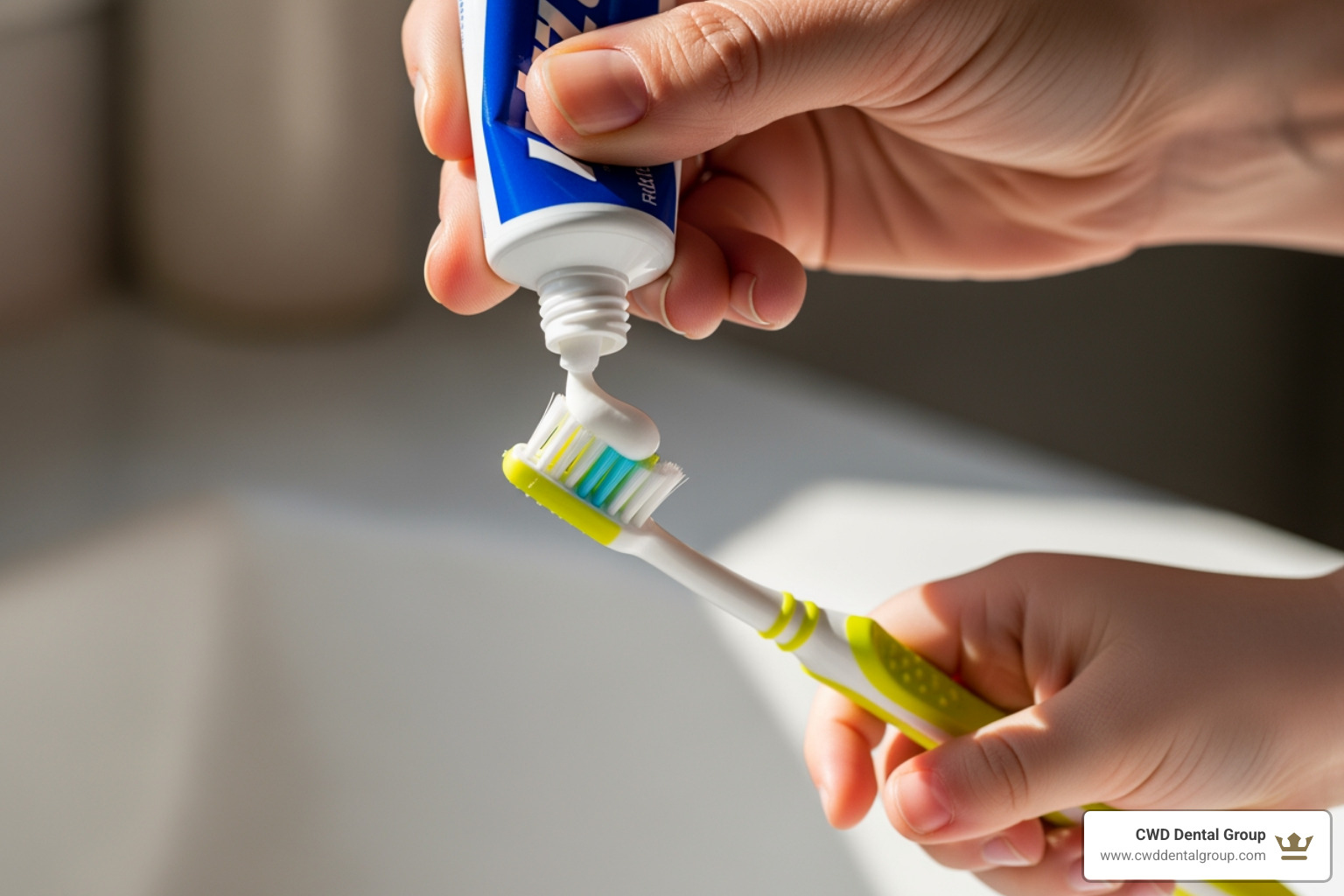
Fluoride is a natural mineral that strengthens tooth enamel, helps repair early damage, and can even reverse the first signs of decay. For babies under three, use a smear of fluoride toothpaste the size of a grain of rice as soon as the first tooth appears. At age three, you can increase this to a pea-sized amount and teach your child to spit it out.
Community water fluoridation is a highly effective public health measure. If you live in areas like Tallahassee, Havana, Quincy, Crawfordville, or Wakulla, your tap water likely contains fluoride at levels that help prevent cavities. Drinking this water strengthens enamel against acid-producing bacteria. Learn more here: Benefits of community water fluoridation.
Professional fluoride varnish, applied by a dentist or pediatrician, provides extra protection. We recommend this quick, painless treatment every six months to prevent about one-third of cavities in baby teeth.
Feeding Habits to Protect Tiny Teeth
Your feeding habits directly impact your baby's dental health. A common issue is Baby Bottle Tooth Decay, which occurs when sugary liquids pool around teeth for long periods.
The main cause is putting babies to bed with bottles containing anything other than water. Sugars from milk, formula, or juice sit on teeth all night, feeding cavity-causing bacteria. If a bottle is needed for comfort, use only plain water.
Wean your baby to a regular cup by their first birthday. Prolonged bottle use increases decay risk. For drinks, stick to breast milk or formula for the first year. After age one, water is best between meals. If you offer juice, limit it to four ounces of 100% fruit juice in an open cup with a meal.
Choose healthy snacks like fruits, vegetables, and cheese over sticky, sugary foods. Also, never dip pacifiers in sugar, honey, or sweetened liquids.
Preventing Cavities and Seeking Professional Care
Early Childhood Caries (ECC) is the most common chronic childhood disease in the U.S., with over half of children 6-8 having had a cavity. Understanding the signs of decay and seeking professional care are crucial parts of dental care for infants.
Regularly lift your child's lip to check their teeth. White spots can indicate early mineral loss, while tan, brown, or black spots suggest more advanced decay. If you see these signs, schedule a visit with our team for early intervention.
Don't dismiss the importance of baby teeth. Untreated cavities can cause severe pain and dangerous infections that spread beyond the mouth, affecting your child's overall health. Pain can disrupt sleep, eating, and learning. Baby teeth also hold space for permanent teeth; losing one too early can cause future crowding and alignment issues.
Your Baby's First Dental Visit: A Key Step in Dental Care for Infants
Establishing a "dental home" early is one of the best things you can do. We recommend scheduling your child's first dental visit by their first birthday, or within six months of their first tooth erupting.
This early visit serves as a gentle introduction for your baby and an educational opportunity for you. The dentist will gently examine your baby's mouth, check for developmental issues or decay, and discuss oral hygiene, diet, and fluoride. It's the perfect time to ask questions and build a comfortable relationship with our team. If needed, we can discuss Cavity Treatment for Kids.
Advanced Prevention: Sealants and Varnish

Beyond daily home care, professional treatments offer an extra layer of defense.
Fluoride varnish is a concentrated fluoride treatment painted onto the teeth. This quick, painless procedure strengthens enamel and can prevent up to 33% of cavities in baby teeth. We typically apply it every six months.
Dental sealants are another powerful tool, especially for baby molars. These thin, plastic-like coatings are applied to the chewing surfaces of back teeth, sealing out food and bacteria. Sealants can prevent 80% of cavities in these vulnerable areas and last for several years.
We follow guidelines from organizations like the American Academy of Pediatric Dentistry (AAPD) and will discuss if these options are right for your child. You can review their recommendations here: AAPD recommendations on infant oral health.
Building a Foundation for a Lifetime of Healthy Smiles
The effort you put into dental care for infants today has a lasting impact on your child's future health. Baby teeth play a more significant role than many people realize.
Importance of Baby Teeth
Baby teeth are not just temporary placeholders; they are essential for:
- Holding Space: They reserve space for permanent teeth, and early loss can lead to crowding and future orthodontic issues.
- Speech Development: They are crucial for forming sounds correctly and learning to speak clearly.
- Eating and Nutrition: Healthy teeth allow children to chew a variety of foods, ensuring they get the nutrition needed for proper growth.
- Self-Esteem: A healthy, pain-free smile contributes to a child's confidence.
How to Help Your Child Develop Good Brushing Habits
Making brushing a positive daily routine is achievable.
- Lead by example. Let your child see you brushing your teeth regularly.
- Let them try first. Give them a turn before you follow up with a thorough cleaning. Children typically need help brushing until age 8-10, as their hand coordination is still developing.
- Make it fun. Use a two-minute song, a fun timer, or a sticker chart to motivate them.
Consistency and patience are key. Some days will be easier than others, but establishing the routine is what matters most. We're here to support you with personalized advice.
Your Partner in Pediatric Dental Health
As a parent, you're always building your child's future. Early dental care for infants is a crucial building block for a lifetime of healthy smiles. Wiping gums and brushing those first teeth are small acts with a big impact.
Remember these key takeaways:
- Clean your baby's gums from birth.
- Brush twice daily with a rice-grain smear of fluoride toothpaste for children under three.
- Schedule the first dental visit by age one.
- Maintain a healthy diet, avoiding sugary drinks and bedtime bottles with anything but water.
- Prevent bacteria transmission by not sharing utensils.
At CWD Dental Group, we serve families throughout Tallahassee, Havana, Quincy, Crawfordville, and Wakulla. We know a baby's first dental visit can feel overwhelming, so we've created a welcoming, gentle space where our tiniest patients feel comfortable and safe.
Our experienced team moves at your child's pace, ensuring a positive early experience that sets the tone for a lifetime of good oral health. We focus on prevention through services like fluoride varnish, gentle exams, and personalized guidance. When treatment is needed, we provide it with compassion and expertise.
Every child deserves a strong foundation for lifelong oral health. We're honored to help you provide that for your family.
Schedule a visit with our pediatric dentist today and let us become your trusted partner in protecting your child's precious smile.