
The Ins and Outs of Dental Insurance for Your Next Cleaning
Why Understanding Dental Insurance Cleaning Coverage Matters
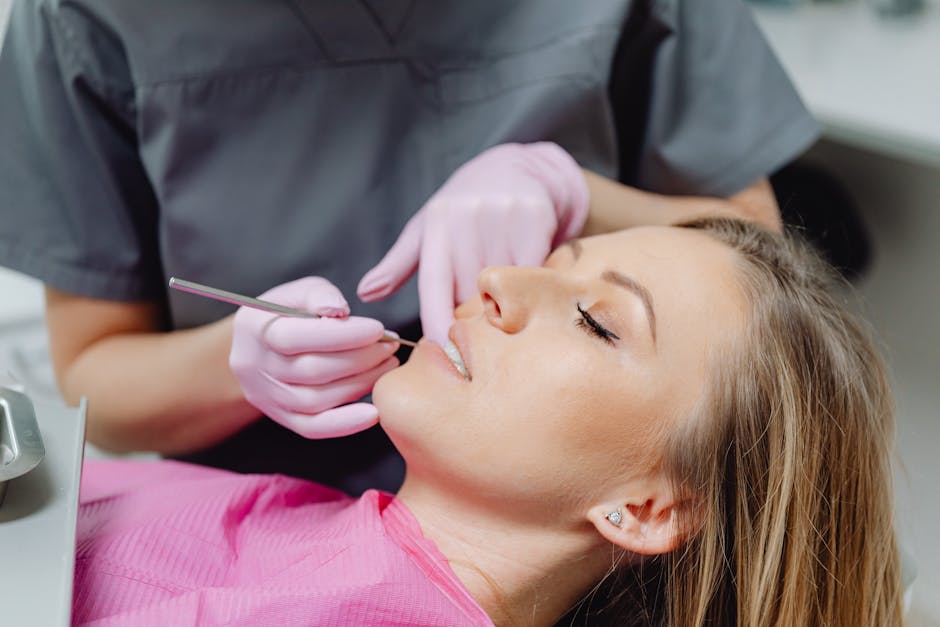
Dental insurance cleaning coverage is a valuable but often confusing part of your plan. Here’s what you need to know:
Quick Answer: How Dental Insurance Covers Cleanings
- Most plans cover two cleanings per year at 100% (no out-of-pocket cost).
- Average cleaning cost without insurance: $104-$250.
- Regular cleanings are preventive care—the most covered service.
- Deep cleanings cost more and are covered at lower percentages (60-80%).
- No waiting period for preventive cleanings in most plans.
Dental insurance is designed to favor preventive care like cleanings. Insurance companies encourage you to catch problems early, before you need expensive procedures like crowns or root canals. This is why most plans offer two cleanings per year at little to no cost.
Many patients avoid the dentist due to cost concerns. Research shows that 22.4% of Canadians avoided dental visits in 2018 for this reason. Understanding your coverage can remove that barrier and help you maintain good oral health without breaking the bank.
I'm Kayle Vernon, and I've spent a decade helping healthcare providers explain complex topics like dental insurance cleaning coverage. Let me break down how your insurance works for cleanings, what you'll pay, and how to maximize your benefits.

Understanding the Cost of Dental Cleanings
Understanding the cost of a dental cleaning helps you see the value of your dental insurance cleaning benefits. Without insurance, a dental cleaning typically costs between $104 and $250.
Several factors influence this price. Location matters, as costs in urban areas are often higher. Prices can vary between clinics in Tallahassee, Havana, Quincy, Crawfordville, and Wakulla. The clinic's reputation, technology, and the experience of the dental team also play a role. At CWD Dental Group, our experienced team focuses on delivering exceptional value.
Additional services like X-rays, fluoride treatments, or sealants can also add to the total cost. However, the biggest factor is the type of cleaning you need.

Regular Cleaning vs. Deep Cleaning
Not all cleanings are the same. Knowing the difference between a regular and a deep cleaning can save you from sticker shock.
A regular cleaning (prophylaxis) is your standard preventive visit. Our hygienist removes plaque and tartar from above the gum line, polishes your teeth, and flosses to prevent issues like gingivitis and cavities. This typically takes 30-60 minutes.
A deep cleaning (scaling and root planing) is a therapeutic treatment for periodontal (gum) disease. It's necessary when a regular cleaning isn't enough. This procedure removes plaque and tartar from below the gum line and smooths the tooth roots to help gums reattach. It often requires multiple appointments and treats a condition that can lead to tooth loss.
This is where dental insurance cleaning coverage differs. Most plans cover two regular cleanings per year at 100% because it's preventive. Deep cleanings are considered "basic" or "periodontal" services, so insurance typically covers 60% to 80% of the cost after you've met your deductible.
Understanding this distinction is key to financial planning. For more details on our cleaning services, visit our services page.
What Happens During a Professional Cleaning?
Here’s what happens during a typical 30- to 60-minute professional cleaning at CWD Dental Group.
- Examination: Our hygienist or dentist uses a small mirror to check your teeth and gums for any issues like cavities or inflammation.
- Plaque and Tartar Removal (Scaling): Using specialized instruments, the hygienist removes plaque and hardened tartar from your teeth. Professional tools are necessary to remove tartar, which can't be done at home. Learn more about dental teeth cleaning tools.
- Polishing: A gritty paste and rotating brush are used to remove remaining stains, leaving your teeth smooth and bright.
- Flossing and Rinsing: We floss between each tooth to ensure everything is clean, followed by a rinse to wash away debris.
- Fluoride Treatment (Optional): Based on your needs, we may apply a fluoride treatment to strengthen enamel and prevent cavities.
- Final Check: The dentist performs a final examination, discusses any findings, and provides personalized home care recommendations.
Our dental hygienists are crucial to your preventive care and keeping your smile healthy.
How Dental Insurance Cleaning Coverage Works
Your dental insurance cleaning benefits are often the best part of your plan. Insurance companies want you to get regular cleanings because prevention is cheaper than treatment—a $100 cleaning today can prevent a $2,000 crown tomorrow.
Dental plans categorize services:
- Preventive: Cleanings, check-ups, and X-rays, usually covered at 100%.
- Basic: Fillings and simple extractions, covered at 70-80%.
- Major: Crowns and bridges, covered around 50%.
Key terms to know:
- Annual Maximum: The most your insurance will pay per year (often $500-$750). You pay 100% after this limit.
- Deductible: The amount you pay before insurance covers basic or major services. Preventive care often bypasses the deductible.
- Waiting Period: A time you must wait before certain services are covered. Preventive care usually has no waiting period, while major work could have a wait of up to two years.
At CWD Dental Group, we help patients in Tallahassee, Havana, Quincy, Crawfordville, and Wakulla steer these details. We can verify your benefits to avoid surprise bills.
Understanding Your Dental Insurance Cleaning Benefits
The specifics of what you'll pay for a cleaning vary by plan, but most offer 100% coverage for preventive care. This means your two annual cleanings are often covered completely, with no deductible or co-pay. You're using the benefits you've already paid for through your premiums.
For basic work like fillings, expect 70-80% coverage after your deductible. Major procedures like crowns are usually covered at about 50%. Some plans may require a small co-payment (e.g., $10-$20) for preventive visits.
A key factor is whether your dentist is in-network or out-of-network.
- In-network dentists have pre-negotiated fees with your insurance, resulting in lower out-of-pocket costs for you.
- Out-of-network dentists do not have these agreements. You can still see them, but you may pay more, as your insurance might cover a smaller percentage or you'll be responsible for the difference between the dentist's fee and what your plan considers a reasonable charge.
At CWD Dental Group, we work with many insurance plans and will provide a clear cost estimate before your treatment.
The Role of Dental Fee Guides and UCR
Insurance companies use a system called UCR (Usual, Customary, and Reasonable) to determine a "fair" price for dental services. They set a benchmark based on what dentists in your area typically charge. This UCR rate is the maximum amount your insurance will consider for payment.
When we submit a claim, your insurance compares our fee to their UCR rate.
- If our fee is at or below the UCR, they pay their percentage of our fee.
- If our fee is higher, they pay their percentage of the UCR rate. You are then responsible for the difference, a practice known as balance billing.
For example, if we charge $120 for a cleaning covered at 100%, but your plan's UCR is $100, the insurance pays $100, and you owe the remaining $20.
We are transparent about our fees and provide detailed estimates to avoid surprises. If you're confused about your dental insurance cleaning benefits, just ask. We're here to help patients in Tallahassee and the surrounding communities understand their coverage.
Navigating Different Types of Dental Coverage
Finding the right dental coverage doesn't have to feel overwhelming. Whether you're covered through work, looking at government programs, or wondering what to do without insurance at all, there are more options than you might think. Let me walk you through what's available so you can find the best fit for your situation and keep those regular dental insurance cleaning appointments on your calendar.

Private Dental Insurance Plans
Private dental insurance, whether from an employer or purchased directly, comes in several forms.
PPO (Preferred Provider Organization) plans offer the most freedom. You can see any dentist, but you save money by choosing an "in-network" provider. PPOs typically have deductibles, annual maximums, and tiered coverage for preventive, basic, and major services.
HMO (Health Maintenance Organization) plans are more restrictive but often have lower premiums and no deductibles. You must choose a primary dentist from a network and get referrals for specialists.
Many insurers offer tiered plans (e.g., Basic, Standard, Improved). A basic plan might offer limited coverage, while an improved plan could provide 100% for preventive care, higher percentages for other services, and even orthodontic coverage. Higher premiums usually mean better coverage. Orthodontic coverage typically has a lifetime maximum and covers 50-60% of costs.
Here's a general comparison of plan tiers:
| Service Category | Typical Basic Plan | Typical Standard Plan | Typical Improved Plan |
|---|---|---|---|
| Preventive | 60-80% | 80-100% | 100% |
| Basic | 30-50% | 60-70% | 70-80% |
| Major | Not Covered | 30-40% | 50% |
| Orthodontics | Not Covered | Not Covered | 50-60% (Lifetime Max) |
| Annual Max | $500 | $750 | $750-1,500 |
| Waiting Period (Preventive) | 3 months | 3 months | 0-3 months |
These are examples; always check your specific policy for details.
Government and State-Funded Programs
Government programs can be a lifeline for dental care if you meet certain income or age requirements.
- Medicaid: This federal-state program provides health and dental benefits to low-income individuals and families. While adult dental coverage varies by state, nearly all states provide comprehensive dental care for children, including preventive services like cleanings.
- Children's Health Insurance Program (CHIP): CHIP offers low-cost dental coverage for children in families who don't qualify for Medicaid but can't afford private insurance. It emphasizes preventive care.
- Other Programs: Many states and communities offer dental programs for seniors and low-income adults through health departments or non-profits, often focusing on preventive care.
To see if you qualify, contact your local health department or visit healthcare.gov. Resources are available in our Florida communities of Tallahassee, Havana, Quincy, Crawfordville, and Wakulla.
Accessing Affordable Cleanings Without Insurance
If you don't have insurance, you still have options for affordable dental cleanings.
- Dental and Dental Hygiene Schools: Universities with dental programs offer high-quality, supervised care from students at a significantly reduced cost. Appointments may take longer, but the savings are substantial.
- Community Dental Clinics: Non-profit and government-funded clinics often use a sliding fee scale based on income, making preventive care like cleanings accessible.
- In-House Plans: Many practices, including CWD Dental Group, offer in-house payment plans or membership programs. These can provide discounted rates or flexible payment options to make care more affordable.
Be upfront about your budget concerns. We would rather help you find a way to get preventive care now than see you face a costly emergency later. Delaying care often leads to bigger, more expensive problems. Good home care, as recommended by the CDC, combined with professional cleanings, is the best way to maintain a healthy smile.
Frequently Asked Questions about Dental Insurance and Cleanings
We know that navigating dental insurance cleaning coverage can raise a lot of questions. These are some of the most common things our patients ask us about.
How often does insurance cover a dental cleaning?
Most dental insurance plans cover two routine cleanings per year (one every six months). This aligns with the schedule dentists recommend for preventive care. Six-month cleanings allow us to remove plaque and tartar buildup and catch small issues like cavities or early gum disease before they become major problems.
While the twice-a-year rule is common, some plans may have different frequencies (e.g., every nine months) or cover more frequent cleanings if medically necessary. Always check your specific policy. Our team can help you verify your plan's coverage.
Is deep cleaning covered by insurance?
Yes, deep cleaning (scaling and root planing) is typically covered by insurance, but differently than a regular cleaning. It's not considered preventive care; it's a treatment for periodontal (gum) disease.
Because it falls under "basic" or "periodontal" services, your insurance will likely:
- Cover it at a lower percentage (60% to 80% instead of 100%).
- Require you to meet your deductible first.
You will be responsible for the remaining co-payment. While this costs more than a routine cleaning, it treats gum disease before it can lead to more serious issues like tooth loss. At CWD Dental Group, we provide a clear cost estimate before any treatment.
What if my dentist isn't in my insurance network?
This depends on your dental plan.
- With a PPO (Preferred Provider Organization) plan, you have the flexibility to see any dentist. However, visiting an out-of-network provider will likely result in higher out-of-pocket costs. Your insurance may cover a smaller percentage, and you'll be responsible for any amount above the plan's "reasonable" fee.
- With an HMO (Health Maintenance Organization) plan, you must see a dentist within their network. Seeing an out-of-network dentist typically means your insurance will not cover the cost, and you will pay the full amount.
At CWD Dental Group, we work with many insurance providers and are committed to helping you understand your benefits and costs, whether we are in your network or not. We file claims on your behalf and provide clear estimates.
Take Control of Your Oral Health and Your Wallet
Understanding your dental insurance cleaning coverage empowers you to make confident choices for your smile and your wallet. These benefits are one of the best deals in healthcare. Most plans cover two cleanings per year at 100%, making them your first line of defense against cavities, gum disease, and more expensive procedures down the road.
A proactive approach means understanding your plan and using your benefits. Whether you have private insurance, use a government program, or need affordable options, there is a path forward.
At CWD Dental Group, we believe exceptional dental care should be accessible to everyone in our Tallahassee, Havana, Quincy, Crawfordville, and Wakulla communities. Our team explains your options, helps you steer insurance, and finds solutions that fit your budget. We are your partners in achieving a healthy smile.
Don't put off your next cleaning. Your dental benefits are waiting to be used.
Ready to put your dental insurance cleaning benefits to work? We'd love to welcome you to our practice.