
Happy Teeth, Happy Kids Top Dental Tips Every Parent Needs
Why Your Child's Dental Health Matters More Than You Think

Dental tips for parents start with one crucial fact: cavities are the most common chronic disease of childhood in the United States. More than half of children aged 6 to 8 have had a cavity in a baby tooth. The good news is that most cavities are preventable.
Quick Dental Care Checklist for Parents:
- Start Early: Wipe baby's gums twice daily before teeth appear, then brush with a soft toothbrush and water
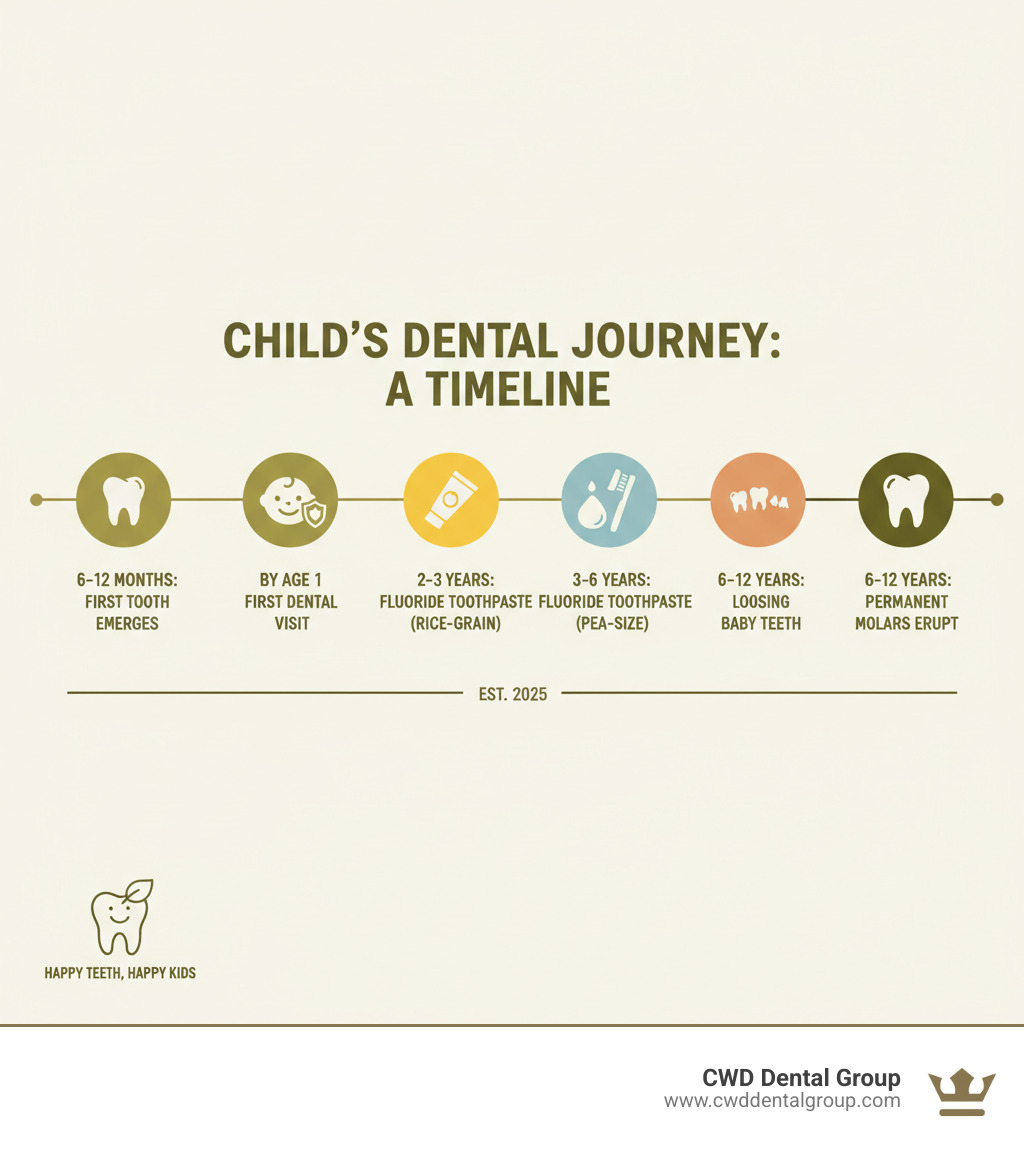
- First Dental Visit: Schedule by baby's first birthday or within 6 months of first tooth
- Fluoride Toothpaste: Use a rice-grain sized smear for children under 3, pea-sized amount for ages 3-6
- Brush Twice Daily: Two minutes each time, especially before bed
- Floss Daily: Start when teeth touch each other
- Limit Sugary Drinks: Offer water and milk; avoid bottles at bedtime (except water)
- Regular Check-ups: Visit dentist every 6 months
- Consider Sealants: Ask about dental sealants—they prevent 80% of cavities in back teeth
Your child's baby teeth are essential for eating, speaking clearly, and guiding adult teeth into place. Untreated decay can be painful and lead to serious infections. The habits you establish now create the foundation for a lifetime of healthy smiles. Children with good oral hygiene are less likely to miss school due to dental pain and carry these positive habits into adulthood.
This guide, brought to you by the team at CWD Dental Group, compiles expert recommendations from leading dental organizations to help you protect your child's smile.
Foundations of a Healthy Smile: Dental Care for Babies and Toddlers
Your baby's journey to a healthy smile starts even before their first tooth appears. Caring for your little one's mouth from day one is a simple but powerful habit.
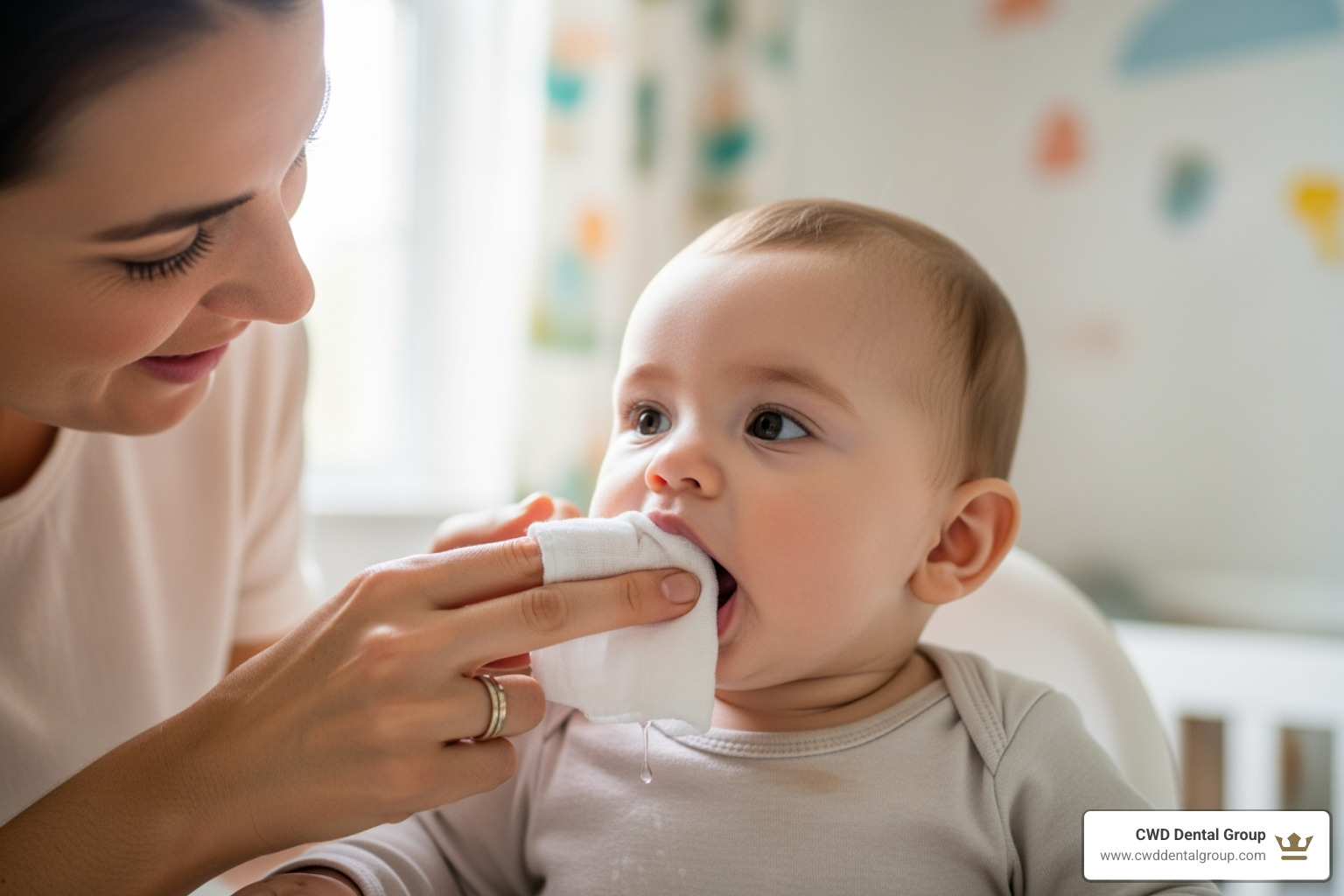
Before teeth erupt, gently wipe your baby's gums twice daily with a soft, damp cloth to remove milk residue and bacteria. When teething begins (around 6 months), you can soothe discomfort with a chilled teething ring or a clean, damp washcloth. Avoid numbing gels with benzocaine and teething necklaces, which pose safety risks.
When to Start and the First Dental Visit
One of the most valuable dental tips for parents is to schedule your child's first dental visit by their first birthday or within six months of their first tooth. This early visit is not about procedures; it's about prevention, education, and helping your child become comfortable in a dental setting. We'll gently examine your baby's mouth, check for early signs of decay, and discuss proper cleaning techniques and diet choices with you.
This early start helps prevent dental anxiety later on. Baby teeth are crucial for clear speech, proper chewing for good nutrition, and guiding permanent teeth into their correct positions. Research shows that premature loss of primary front teeth can have long-term effects on speech development.
Choosing a Pediatric Dentist ensures your child sees a specialist trained in children's unique dental needs. At CWD Dental Group, we serve families throughout Tallahassee, Havana, Quincy, Crawfordville, and Wakulla with a welcoming and kid-friendly approach.
Weaning from Bottles, Pacifiers, and Thumb Sucking
Baby bottle tooth decay occurs when a baby's teeth are frequently exposed to sugary liquids like milk, formula, or juice, especially at night. When a child sleeps with a bottle, sugars pool around the teeth, feeding acid-producing bacteria and causing severe decay. To prevent this, follow one simple rule: only water goes in bottles or sippy cups at bedtime or naptime.
We recommend transitioning your child to an open-lid cup by their first birthday. If you offer juice, limit it to 4 ounces daily and serve it only with meals in a regular cup.
Pacifiers and thumb sucking are normal self-soothing habits for babies. Most children stop on their own between ages 2 and 4. However, if the habit continues past age 5, it can affect dental alignment. Use gentle encouragement and positive reinforcement, like a sticker chart, to help your older child stop. We can offer personalized strategies during your visit.
Essential Daily Habits: The Right Way to Brush and Floss
Once teeth emerge, a consistent daily oral hygiene routine is your top priority. You are your child's most important dental health teacher, and your active involvement is essential. Most children lack the coordination to brush effectively on their own until around age 7 or 8. Brushing together as a family is a great way to model good technique and make it a fun, shared activity.
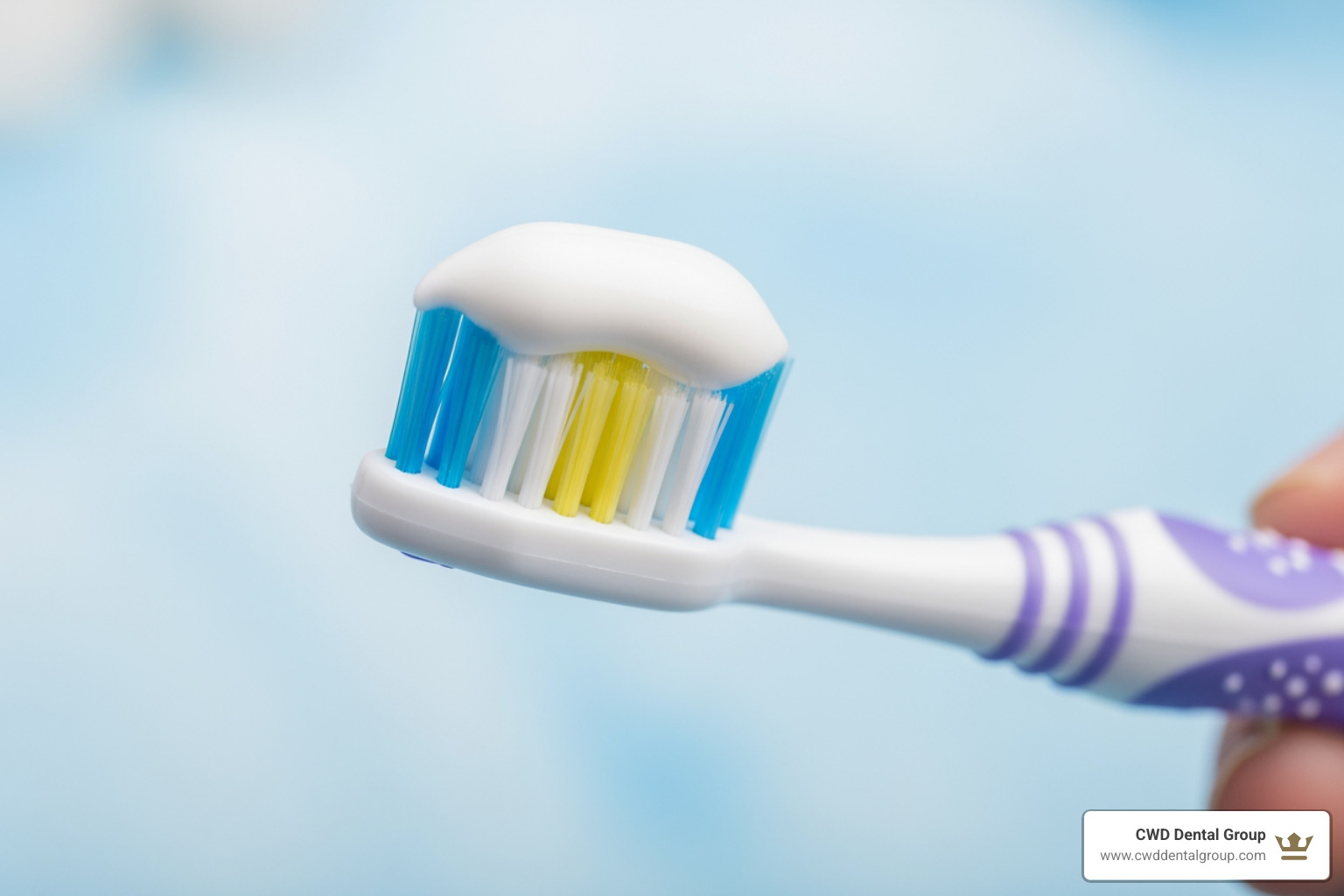
The goal is to brush twice a day for two full minutes, making it as routine as breakfast and bedtime stories.
Essential dental tips for parents: Brushing and Flossing Techniques
- Use the Right Tools: Choose a soft-bristled toothbrush with a small head designed for a child's mouth. Replace it every three months or after an illness.
- Proper Technique: Hold the brush at a 45-degree angle to the gums and use gentle, circular motions. Clean all surfaces of each tooth and gently brush the tongue.
- Time it Right: To ensure you hit the two-minute mark, use a timer, play a favorite two-minute song, or use a brushing app for kids.
- Don't Forget to Floss: Start flossing as soon as any two teeth touch. Kid-friendly floss picks are a great tool that makes this step easier. Guide the floss between teeth, curving it in a "C" shape around each tooth.
- Spit, Don't Rinse: After brushing, teach your child to spit out the excess toothpaste but not to rinse with water immediately. This allows the fluoride to remain on the teeth and strengthen the enamel.
Fluoride Facts: How Much Toothpaste to Use
Fluoride is a natural mineral that strengthens tooth enamel and can even reverse the earliest signs of decay. However, using the correct amount is key for young children.
- For children under 3 years old, use a smear of fluoride toothpaste the size of a grain of rice.
- For children aged 3 to 6 years old, increase the amount to the size of a pea.
It's normal for young children to swallow some toothpaste while they are learning to spit. Using these small, recommended amounts ensures their safety while providing crucial protection against cavities. The CDC provides comprehensive recommendations on fluoride, emphasizing its vital role in preventing childhood tooth decay.
Proactive Protection: Key dental tips for parents on Diet and Professional Care
Brushing and flossing are foundational, but what your child eats and drinks plays an equally important role in their dental health. Combining a healthy diet with regular professional care creates a powerful shield against cavities.

Every time your child consumes something sugary, bacteria in their mouth produce acids that attack tooth enamel. The real damage comes from frequent exposure throughout the day, not just occasional treats.
The Role of Diet and Healthy Snacking
Sugar is often hidden in foods marketed as healthy, like fruit snacks, granola bars, and flavored yogurts. Even 100% fruit juice is high in sugar. Constant sipping on sugary drinks or grazing on snacks creates a continuous acid attack on the teeth.
Instead, focus on tooth-friendly foods:
- Cheese and plain yogurt help neutralize acids and strengthen enamel.
- Crunchy vegetables like carrots and celery act like natural toothbrushes.
- Apples, pears, whole-grain crackers, and lean proteins are also excellent choices.
One of the most powerful dental tips for parents is to make water your child's primary drink. Water rinses away food particles and dilutes acids. Milk is great with meals, but water is best throughout the day. For more ideas, resources like Northwell Health's pediatric nutrition services offer excellent guidance.
Preventive Treatments: Sealants and Fluoride
Even with great brushing, the deep grooves on back molars are hard to clean and prone to cavities. Dental sealants are a perfect solution. We apply a thin, protective coating to the chewing surfaces of these teeth, creating a smooth barrier that's easy to clean. This quick, painless procedure can prevent 80% of cavities in back teeth. We typically recommend sealants when permanent molars erupt, around ages 6 and 12.
Fluoride varnish is another key preventive tool. During a check-up, we can apply a concentrated fluoride solution directly to the teeth to strengthen enamel and reverse early decay. It's a fast application that offers significant protection.
Additionally, community water fluoridation provides daily defense. Most water systems serving Tallahassee, Havana, Quincy, Crawfordville, and Wakulla contain optimal fluoride levels. As noted by The Community Guide, this is one of the most effective public health measures for preventing cavities. At CWD Dental Group, we focus on prevention to keep your child's smile healthy from the start.
Navigating Common Challenges and Dental Visits
We know that establishing good oral hygiene habits can be a challenge. With a little creativity, you can transform dental care from a daily battle into a positive routine.
One of the best dental tips for parents is to make brushing fun. Try these ideas:
- Play a two-minute song or use a brushing app.
- Let your child choose their own soft-bristled toothbrush and fluoride toothpaste flavor.
- Brush together as a family to model the behavior.
- Use a sticker chart for positive reinforcement.
- Turn it into a game of chasing away "sugar bugs."
The key is to find what works for your child and keep the experience positive.
Preparing for a Positive Dental Visit
Dental anxiety is common, but preparation at home can make a huge difference. Talk positively about the dentist, describing us as friendly helpers who keep teeth strong. Avoid using words like "shot," "drill," or "pain." Instead, say, "The dentist will count your teeth and make them sparkle!"
Reading children's books about dental visits or role-playing at home can also ease anxiety. Let your child be the dentist and examine your teeth, then switch roles. For your child's Teeth Cleaning appointment, our team at CWD Dental Group is trained to create a comfortable, welcoming environment, explaining each step in simple, child-friendly language.
More dental tips for parents: Spotting Common Problems
As a parent, you are the first line of defense. Be on the lookout for these common warning signs:
- White, chalky spots or brown spots on teeth, which can be early signs of cavities.
- Complaints of tooth pain, especially when eating hot, cold, or sweet foods.
- Red, swollen, or bleeding gums.
- Persistent bad breath that doesn't improve with brushing.
- Sudden sensitivity to hot or cold temperatures.
If you notice any of these signs or if your child has a dental injury, seek professional help promptly. For a knocked-out permanent tooth, a severe break, or uncontrolled pain, knowing when to call an Emergency Dentist is crucial. Our team at CWD Dental Group serves families throughout Tallahassee, Havana, Quincy, Crawfordville, and Wakulla, and we are here to provide timely, compassionate care.
Frequently Asked Questions About Children's Dental Health
Parents often have similar questions about their children's dental health. Here are answers to some of the most common concerns.
Why are baby teeth so important if they just fall out?
Baby teeth play a critical role in a child's development. They are essential for:
- Nutrition and Chewing: Healthy teeth allow a child to eat a variety of foods necessary for growth.
- Space Holding: They reserve the proper space for permanent teeth to erupt correctly, preventing future crowding and alignment issues.
- Speech Development: Children learn to form sounds and words using their teeth and tongue.
Furthermore, an untreated infection in a baby tooth can cause pain and damage the developing permanent tooth underneath.
How can I get my toddler to let me brush their teeth?
This is a common struggle! The key is to make brushing a fun and consistent part of their daily routine. Try these strategies:
- Make it a game: Use songs, stories, or a brushing app.
- Give them choices: Let them pick their own character toothbrush and toothpaste flavor.
- Brush together: When they see you doing it, it becomes a normal family activity.
- Use positive reinforcement: Offer praise or a sticker for their cooperation.
Consistency is the most important factor. When brushing is a predictable part of the morning and bedtime routine, resistance usually fades over time.
Are dental X-rays safe for my child?
Yes, modern dental X-rays are very safe. They use extremely low levels of radiation—in fact, a child receives more background radiation on a cross-country flight. We always use a lead apron and thyroid collar to provide maximum protection.
X-rays are a vital diagnostic tool that allows us to see what a visual exam cannot, such as:
- Decay between the teeth
- Infections in the bone
- The development and position of unerupted permanent teeth
Detecting problems early with an X-ray allows for simpler, less invasive treatment. We follow strict guidelines and only recommend X-rays when they are diagnostically necessary for your child's specific needs.
Conclusion
The dental tips for parents in this guide lead to one simple truth: the care you provide today shapes your child's smile for a lifetime. Every two-minute brushing session and every healthy snack is a building block for long-term health.
Good childhood oral health helps prevent pain, missed school days, and a cycle of dental problems that can follow a person into adulthood. By starting early, staying consistent, and partnering with your dentist, you are giving your child an incredible gift.
At CWD Dental Group, we are committed to supporting families throughout Tallahassee, Havana, Quincy, Crawfordville, and Wakulla, Florida. We've built our practice to be a place where kids feel comfortable and parents feel empowered. Our team loves working with children and is dedicated to making every dental visit a positive experience.
We're here to partner with you in protecting your child's smile. For comprehensive and compassionate care, explore our Pediatric Dentist services. We look forward to welcoming your family!